
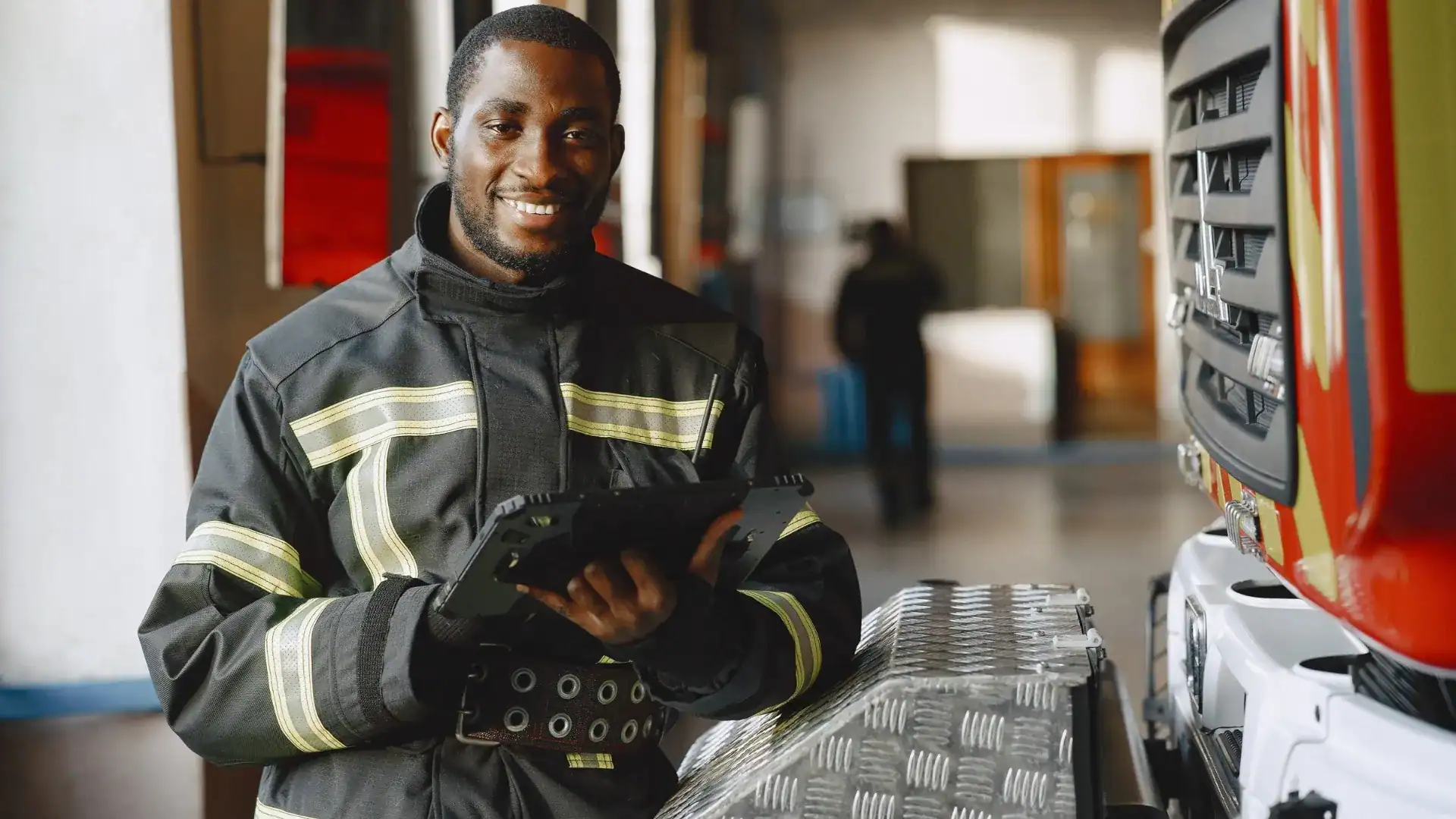
First responders play a critical role in keeping communities safe. Police officers, firefighters, paramedics, and emergency medical technicians face high-pressure environments where quick decisions are essential. Effective hearing is vital to their ability to perform duties, communicate clearly, and respond to emergencies. However, the nature of their work also exposes them to unique hearing challenges that require attention and proactive care.
Why Hearing Is Critical for First Responders
Hearing is not just about detecting sound; it is essential for situational awareness. First responders rely on auditory cues to monitor radios, alarms, sirens, and environmental sounds while managing multiple tasks at once. Missing important information can delay response times or create safety risks for both responders and the public. Clear hearing enables rapid communication with teammates and coordination in complex situations.
In high-stakes environments, listening fatigue can occur when hearing is strained. This can reduce concentration, increase stress, and affect decision-making. Protecting hearing is therefore both a professional necessity and a personal health concern.
Hearing Challenges in First Responder Work
First responders encounter several factors that increase the risk of hearing damage:
- Exposure to Loud Sounds: Sirens, alarms, gunfire, fire engines, and heavy machinery can reach dangerous decibel levels. Prolonged or repeated exposure can cause noise-induced hearing loss.
- Unpredictable Environments: Emergency scenes may include construction sites, car accidents, or natural disasters, where sound is unpredictable, and background noise is high.
- Communication Barriers: Masks, helmets, or protective gear can reduce sound clarity, making it harder to understand radios, instructions, or colleagues in the field.
These factors can lead to temporary ringing in the ears, permanent hearing loss, or delayed reaction to critical auditory cues if proper precautions are not taken.
Protective Measures for Hearing Health
Maintaining hearing health requires both preventive and practical strategies. Hearing protection is essential in loud environments, but it must allow responders still to hear critical sounds, such as alarms or speech. Specialized devices, such as electronic earplugs or communication headsets, are designed to reduce harmful noise while preserving situational awareness.
Regular hearing assessments are also necessary. Early detection of hearing changes allows first responders to take action before permanent damage occurs. Employers and organizations can support this by offering routine screenings, hearing-protection training, and education on noise risks.
Adapting Communication Practices
In addition to protection, effective communication strategies help first responders cope with challenging auditory conditions:
- Confirming key instructions through repetition or hand signals.
- Using visual alerts, vibration devices, or text notifications to supplement sound cues.
- Implementing protocols that reduce miscommunication in noisy environments.
These practices ensure critical information is not missed and help reduce stress and listening fatigue during operations.
Long-Term Health Considerations
Hearing damage can have lasting effects, including difficulty in social and professional situations, tinnitus (ringing in the ears), and reduced cognitive performance. For first responders, this can impact retirement planning, career progression, and quality of life. Preventing hearing loss early is therefore both a safety and a wellness priority.
Supporting Hearing Wellness in the Field
Organizations can foster hearing wellness by:
- Providing hearing protection solutions suited to emergency work.
- Educating staff on noise risks and safe listening practices.
- Encouraging regular audiology checkups and follow-up care.
For individual responders, maintaining awareness of hearing health, minimizing unnecessary exposure to loud noise, and advocating for appropriate protective equipment are key steps toward long-term protection.
Conclusion
First responders face unique hearing challenges due to high noise exposure, unpredictable environments, and critical communication needs. Protecting hearing is essential for safety, performance, and overall well-being. Through preventive care, specialized hearing protection, effective communication practices, and regular monitoring, first responders can maintain their auditory health and continue performing their vital roles effectively. Hearing wellness is not just a personal concern, it is a professional necessity for those on the front lines.